The Waiting Room Outside Oncology
psycho-oncology · cancer · caregivers · family

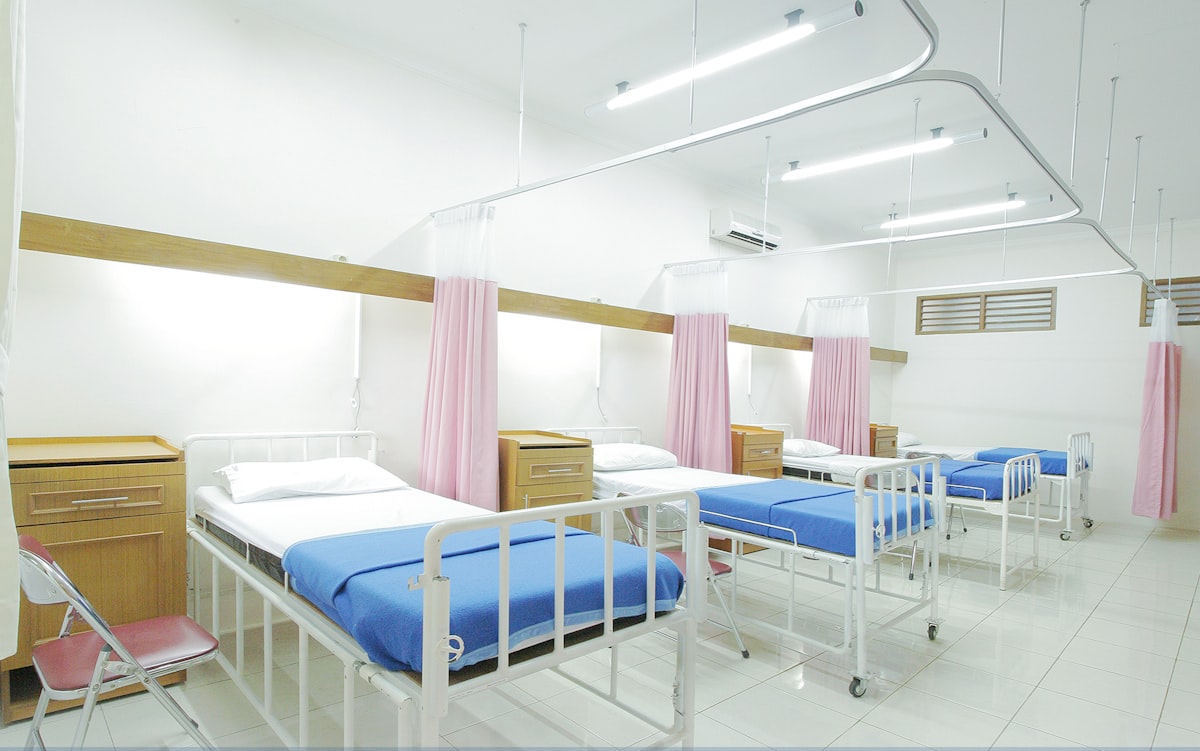
During my M.Phil training in Lucknow, my clinical rotations took me somewhere most psychology students never go: the oncology ward. I expected to learn about cancer patients. What I actually learned about, mostly, was corridors — the plastic chairs outside the consultation room where families rehearse what they will and won't say, decide who will be strong today, and quietly fall apart in shifts.
Psychology has a name for the work done in those corridors: psycho-oncology. It deserves to be better known in India, and this is my small attempt.
A short history, because it earns the field its place
Until recently, the emotional life of cancer patients was considered nobody's clinical business. It took a psychiatrist named Jimmie Holland — who in 1977 set up the world's first full-time psychiatric service inside a cancer centre, at Memorial Sloan Kettering in New York — to insist that how a patient feels is part of cancer care, not a courtesy alongside it. The field she founded eventually pushed a radical idea into mainstream oncology: that distress should be treated as a vital sign — checked like pulse and blood pressure, not noticed only when someone breaks down in the hallway.
The tool that came out of that movement is simple to the point of disbelief: a single question. On a scale of 0 to 10, how much distress have you been in this past week? A sustained answer of four or more is the internationally used signal to bring in psychological support. I share this number deliberately, because in most Indian hospitals nobody will ask it — routine distress screening exists in only a handful of large centres. Families here often must ask for psychological care by name. Now you know the sentence: "Her distress has been above four for weeks. Can we see the counsellor?"
Sadness is expected. Depression is not.
The distinction I most wish every cancer family knew is the one between sadness and depression, because both of its errors cost dearly.
Cancer brings sadness, fear, and grief — that is a proportionate response to a real threat, and it does not need a diagnosis. Screening studies find clinically significant distress in roughly a third of patients; careful diagnostic interviews find major depression in only around one in six or seven. Depression is common in oncology. It is not inevitable — and treating it as "obviously he's sad, he has cancer" abandons the very people who could be helped.
The confusing part is that the usual signposts of depression are useless here: poor sleep, low appetite, exhaustion — chemotherapy causes all of these by itself. So clinicians look elsewhere, and families can too. The signals that matter are the ones cancer cannot explain: pleasure gone from everything, not just from what illness prevents. A settled conviction of being worthless, or "a burden on all of you." The face that cannot be lifted even briefly by a grandchild, good scan news, an old friend. Hopelessness that colours everything. Any talk of not wanting to live. Those, persisting for weeks, are depression wearing cancer's clothes — and depression in cancer responds to treatment the way it does anywhere else.
The secret everyone knows
Then there is the most Indian scene in oncology: the family intercepting the doctor in the corridor. Please don't tell him it's cancer. Tell him it's a gaanth — a growth. He won't be able to take it.
I want to treat this with the respect it deserves, because it is love — clumsy, terrified love trying to stand between a person and a word. But the research on it is devastating: in Indian studies, when patients themselves are asked, the overwhelming majority — over eighty, sometimes over ninety percent — say they want to know their diagnosis. And most suspected long before anyone said it. Bodies keep their own counsel: the weight loss, the ward name on the file, the relatives who suddenly visit from three states away. What non-disclosure usually produces is not protection but loneliness — a patient performing wellness for a family performing calm, everyone guarding everyone, nobody actually talking.
There is a gentler road, and it does not require anyone to force truth on anyone. It is a single question, asked by the doctor or counsellor, early: "Some people want every detail of their illness; others prefer that we speak mainly with family. What would you like?" The patient chooses. The minority who genuinely prefer not to know receive a dignified opt-out; the majority get their own life back. Autonomy, it turns out, can be offered as tenderly as secrecy — and disclosure done this way, led by the patient's own preference and followed by real support, is worlds away from truth simply dropped on someone.
And the children — here the research is unanimous. Use the word cancer. Age-appropriately, in small honest doses, but the actual word — along with the two sentences every child needs and rarely hears: you did not cause this, and you cannot catch it. Children always sense that something is wrong; what secrecy gives them is not innocence but a monster assembled alone, at night, from overheard fragments.
The second patient
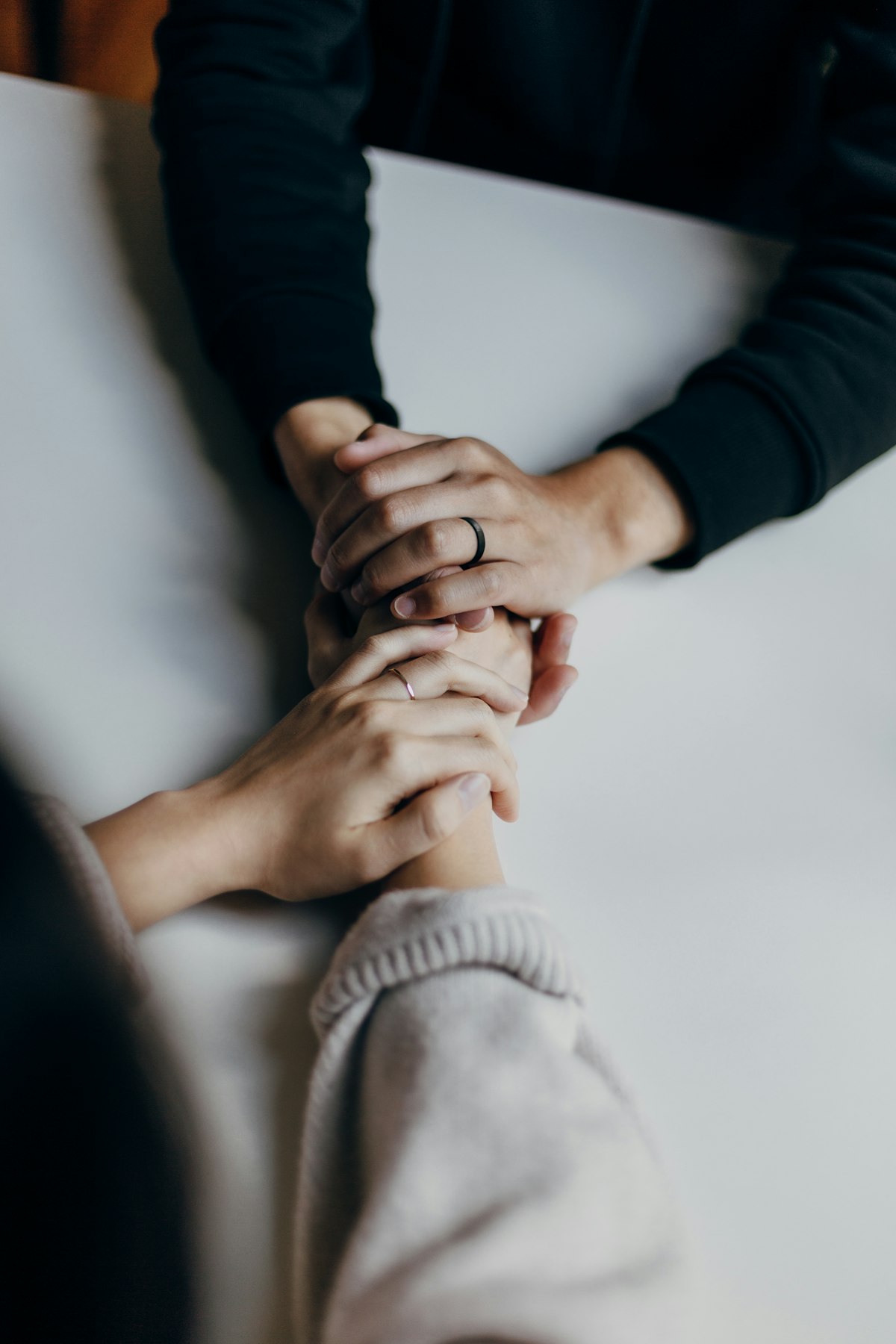
If you learn one phrase from this piece, let it be this one: in oncology, the caregiver is the second patient.
In the wards, I watched the same figure appear beside every bed — usually one woman: a wife, a daughter, a bahu — who had absorbed the cooking, the hospital logistics, the finances, the family's emotions, and her own, in that order. Indian studies of cancer caregivers find the majority carrying measurable burden; in one study of four hundred caregivers, more than forty percent met criteria for depression themselves. Nobody screens them. They do not count as sick; they merely do everything.
If that caregiver is you: your exhaustion is data, not disloyalty. The same 0-to-10 question applies to you, the same threshold of four. And the most practical intervention I know is unromantic — a rota. Grief and duty shared across four relatives is survivable; concentrated in one, it becomes its own illness.
Before I close, a myth that needs breaking: psychological care does not cure cancer. Careful reviews have found no consistent evidence that "fighting spirit" or therapy extends survival — and thank goodness, because the myth's dark twin is the whisper that those who relapsed didn't fight hard enough. No one's tumour obeys their attitude. What psycho-oncology demonstrably does is protect the living that happens during and after treatment: sleep, mood, decisions, marriages, children's sense of safety, the texture of whatever time there is. In those corridors, that is not a small thing. It may be the main thing.
The scenes in this piece are composites from training rotations, with all identifying details altered.
Did this resonate?
If something here spoke to you and you would like to talk about it, you are always welcome to reach out — with a question or for a session.
Book a Session More stories